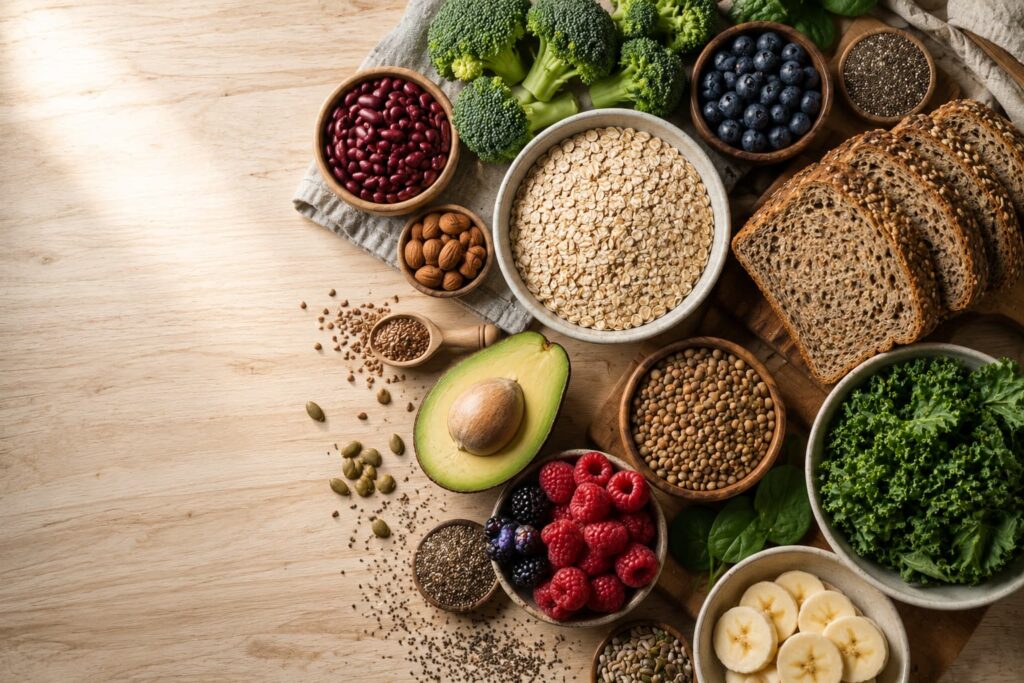
Fibermaxxing and Dietary Fiber: Why This Trend Is Actually Worth Your Attention
The fibermaxxing dietary fiber trend landed on my radar the same way most nutrition shifts do — gradually, then suddenly. A few TikTok clips here, a Whole Foods trend report there, and then food giants like PepsiCo publicly repositioning their R&D around it. When big CPG companies start chasing a hashtag, that’s a signal worth analyzing carefully. And when you map the data underneath this particular trend, the structural case for caring about fiber is far stronger than a social media cycle usually warrants.
Protein captivated consumers and food companies in 2025, but fiber is increasingly stealing the scene as people place a growing emphasis on promoting gut health. But here’s what most coverage misses: this isn’t just a wellness aesthetic. It’s a response to a genuine and long-standing nutritional failure in the American diet.
What the Data Actually Shows About the Fibermaxxing Dietary Fiber Movement
Experts estimate that more than 90% of women and 97% of men don’t get the recommended daily intake of fiber. As Mayo Clinic registered dietitian Tara M. Schmidt, RDN, describes it, fibermaxxing is “essentially attempting to eat a ton of fiber to max out your daily fiber intake — at least meeting, but more likely exceeding, the recommendation.”
Between 2017 and 2020, the mean consumption of dietary fiber by American adults was only 17 grams per day — about half the recommended adequate intake level. Approximately 94% of American children and adults fail to meet adequate intake levels. That’s not a marginal gap. That’s a structural failure baked into how most people eat every day.
Ultra-processed food diets are a chief contributor to poor intake, as fiber is extracted from products during manufacturing. So the real driver here isn’t laziness — it’s the composition of the food supply itself. When you understand that lens, the fibermaxxing push becomes less about a trend and more about correcting a systematic deficit.
The health implications, according to researchers at the University of Illinois Urbana-Champaign, are wide-ranging. Professor of nutrition Hannah Holscher notes that “consuming adequate fiber helps reduce your risk of developing obesity, reduces your risk of cardiovascular disease, type two diabetes, lowers your risk for certain types of cancer, especially colorectal cancer” — covering a range of benefits, from cardiometabolic to gastrointestinal health.
Research shows that regular intake lowers colorectal cancer risk, a disease that’s rising as a killer of young people, while deaths from other cancers among 20- to 50-year-olds are trending down. That specific data point is what I think explains why Gen Z — not just older adults managing chronic conditions — is driving this particular push. Sixty percent of Gen Z members say they’re interested in high-fiber foods and beverages, and they’re pioneering the fibermaxxing trend on social media.
Fiber is also the primary fuel source for the trillions of microbes that live in your gut, influencing many aspects of health — from your immune system to mood. That gut-brain connection is the angle that nutrition scientists at places like the University of Colorado Anschutz School of Medicine say hasn’t gotten nearly enough public attention until now.
How to Actually Build Fiber Into Your Day Without Feeling Miserable
From what I’ve analyzed across the dietitian guidance flooding this conversation, the most common mistake people make isn’t eating too little fiber — it’s trying to eat too much, too fast. The gut genuinely needs time to adjust.
The U.S. Department of Agriculture Dietary Guidelines for Americans suggest at least 25 grams of fiber per day for women under 50 and at least 31 grams daily for men under 50. That’s the baseline target. A better practice than sharply increasing intake is to slowly increase consumption while drinking plenty of water to prevent constipation or other side effects.
The foods that give you the most leverage, according to registered dietitian Steph Grasso, who has built an audience of over two million TikTok followers around exactly this topic:
- Beans top the list — “so convenient, affordable and versatile,” with one cup delivering about 6–8 grams of fiber.
- Whole grains are another high-fiber group worth adding — quinoa, oats, and barley are particularly strong options.
- Oats, lentils, mushrooms, chia seeds, and apples are all solid sources of soluble fiber specifically.
- Adding chia seeds and fruits to morning oats can deliver around 20 grams of fiber before you’ve even left the house.
The Academy of Nutrition and Dietetics offers a practical framing I’ve always found underrated: the more refined or processed a food is, the lower its fiber content — this applies to fruits, vegetables, and grains alike. One medium apple with its peel contains 4.4 grams of dietary fiber, while half a cup of applesauce contains just 1.4 grams, and apple juice contains none. Whole foods, eaten as close to their natural form as possible, consistently win. You can explore the Academy of Nutrition and Dietetics’ fiber guidance for more practical swap ideas.
One insider insight worth flagging: while fiber supplements can be helpful, nutrition experts advise getting most of your fiber from whole foods because they also contain antioxidants, vitamins, minerals, and micronutrients that support health beyond what any supplement provides.
Where the Trend Overshoots — and What to Watch For
Here’s my honest take: the fibermaxxing movement is mostly a good thing, but the “maxxing” framing does carry a real risk. The pattern I keep seeing with social media nutrition trends is that the optimization instinct turns a healthy behavior into an extreme one.
Many influencers fueling the social media trend are blowing well past the scientifically backed daily recommendation, with some pushing 50 to 70-plus grams of fiber a day — a level that University of Colorado nutrition scientist Bonnie Jortberg finds concerning. She’s not wrong to flag it. Extreme levels of fiber could potentially result in malabsorption of important nutrients — insoluble fiber absorbs water as it moves through the gastrointestinal tract, but it can absorb nutrients along with it.
While it’s encouraging to see more people interested in fiber, scientists remind us that how much we eat is only part of the story. The type of fiber, how our gut microbes use it, and our individual gut health also matter — nuances not always reflected in current dietary guidelines.
People with conditions like irritable bowel syndrome also need to approach this differently. People with conditions such as IBS may have specific fiber requirements that diverge significantly from general recommendations. The Mayo Clinic’s guidance on dietary fiber covers these nuances well. And the CDC’s fiber resource for diabetes management is worth reading if blood sugar is part of your picture.
So is high fiber intake good for everyone? Broadly, yes — but the right answer for your specific gut isn’t a TikTok video. The structural gap in America’s fiber consumption is real, and closing it matters. The extreme version of the trend, though, is worth approaching with some skepticism.
Final Word
What I find most interesting about the fibermaxxing dietary fiber movement isn’t the trend itself — it’s what the trend reveals. More than 95% of Americans rarely, if ever, reach their recommended daily allowance of fiber, a nutrient vital for maintaining health. That’s not a new finding. Nutrition scientists have known it for years. What’s new is that social media has finally made people care.
According to Mintel food research strategist Stephanie Mattucci, “Fiber is finally getting a spotlight, which is a great thing because it’s a nutrient that people need.” I’d agree — with the caveat that you don’t need to go to extremes to capture the benefits. Meeting the recommended intake of 25–38 grams daily through whole foods like beans, oats, legumes, and vegetables is the target most people are still far from hitting.
The smarter play here isn’t to chase influencer-level fiber counts. It’s to close the gap between where you are now and where the science says you should be — gradually, with hydration, and with your doctor’s input if you have existing digestive conditions. That modest, consistent shift is where the real health payoff lives, and it’s the part of the fibermaxxing dietary fiber conversation that tends to get lost in the noise.
This article is an editorial synthesis of publicly available health guidance. Always consult a qualified healthcare professional for personal medical advice.
Frequently Asked Questions About fibermaxxing dietary fiber
What is fibermaxxing, and how does it relate to dietary fiber intake?
Fibermaxxing is a wellness trend focused on intentionally and consistently maximizing your daily dietary fiber consumption through whole foods, fiber-rich snacks, and strategic meal planning. Unlike casual healthy eating, fibermaxxing dietary fiber enthusiasts treat fiber as a central pillar of their nutrition rather than an afterthought. Most health authorities suggest adults aim for roughly 25 to 38 grams of fiber per day, though individual needs can vary. If you are considering significantly changing your diet, it is a good idea to speak with a registered dietitian or your primary care provider first.
Are there any risks or side effects of fibermaxxing?
Ramping up fiber intake too quickly is the most commonly reported challenge, and it can cause temporary bloating, gas, and digestive discomfort as your gut microbiome adjusts. People with certain gastrointestinal conditions, such as irritable bowel syndrome or Crohn’s disease, may respond differently to high-fiber diets than the general population. Hydration also matters significantly — fiber works best when you drink adequate water throughout the day. Always consult a licensed healthcare professional before making major dietary changes, especially if you have an existing digestive condition or take prescription medications.
How do I start fibermaxxing as a beginner?
The most practical approach is to gradually increase fiber over two to four weeks rather than overhauling your entire diet overnight, which helps your digestive system adapt without discomfort. Focus first on whole food sources like legumes, oats, berries, vegetables, and seeds, since these also deliver vitamins, minerals, and antioxidants alongside the fiber. Tracking your intake with a food journal or app can help you identify gaps and build consistent habits. A registered dietitian can help you create a personalized plan that fits your health history and lifestyle goals.
How does fibermaxxing compare to simply eating a high-fiber diet?
A traditional high-fiber diet generally means meeting standard daily fiber recommendations, while fibermaxxing dietary fiber culture takes a more deliberate and optimized approach — actively planning meals, layering fiber sources, and tracking grams consumed with greater intention. Think of it as the difference between occasionally exercising and following a structured training program; the goal is the same, but the commitment and strategy differ. Fibermaxxing also tends to incorporate a wider variety of fiber types, including both soluble and insoluble fiber, to support different aspects of digestive health. Whether one approach suits you better than the other depends on your personal health goals, which a nutrition professional can help you evaluate.
Does eating more fiber automatically mean better gut health?
This is a common misconception — fiber quantity matters, but fiber diversity and overall diet quality are equally important factors in supporting a healthy gut microbiome. Research suggests that consuming a wide range of plant-based fiber sources tends to feed a more varied community of beneficial gut bacteria than relying on a single high-fiber food. The fibermaxxing dietary fiber approach is most effective when it is part of a balanced diet that also includes adequate protein, healthy fats, and fermented foods where appropriate. Because gut health is a complex and individual topic, consulting a gastroenterologist or registered dietitian is recommended before concluding what your specific microbiome needs.