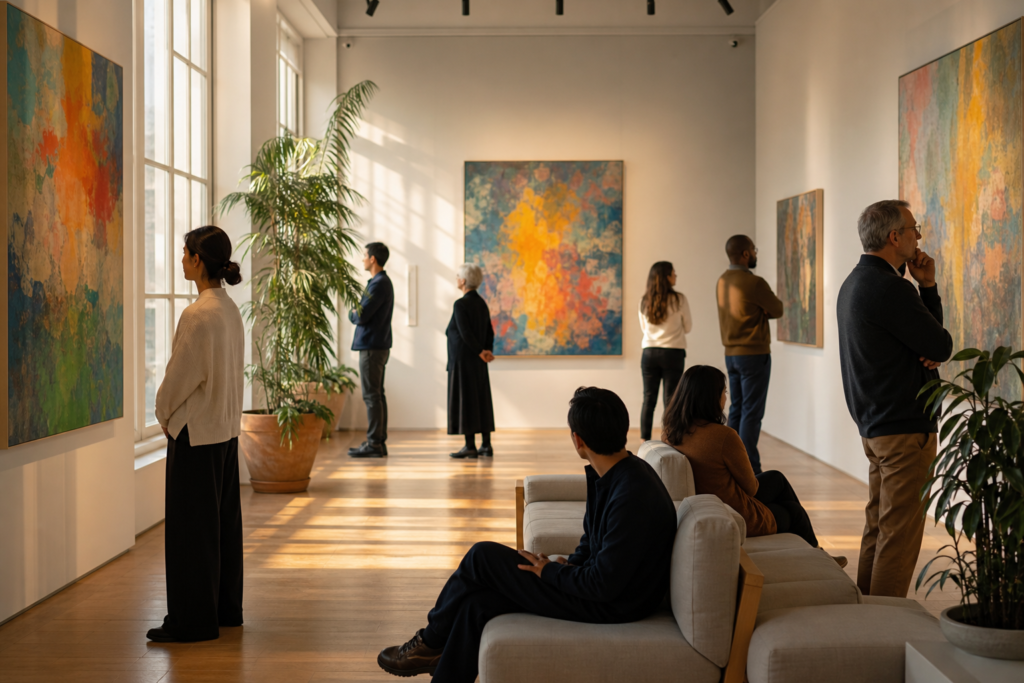
What if visiting a museum or attending a live performance could do as much for your body as hitting the gym? That might sound like a stretch, but a compelling new study suggests it may not be far from the truth. Researchers have found that regularly engaging with the arts appears to slow biological aging at the cellular level — a discovery that could reshape how we think about public health, longevity, and the everyday choices that keep us young.
What the Research Actually Found
The study, which received widespread attention from outlets ranging from NPR to The Guardian and Medical Xpress, examined the relationship between cultural participation and biological aging markers. Unlike chronological age — the simple count of years you’ve been alive — biological age reflects how quickly your cells and body systems are actually deteriorating over time. The two numbers don’t always match, and scientists have been searching for lifestyle factors that can influence the gap between them.
What researchers discovered was striking: people who frequently engage with artistic and cultural activities tend to show measurably slower rates of biological aging compared to those who rarely or never participate in such pursuits. Crucially, this wasn’t just a feel-good psychological effect. The benefits showed up in physical, cellular aging markers — tangible evidence that the arts are doing something real inside the body.
What Counts as Arts Engagement?
One of the most accessible aspects of this research is how broadly “arts engagement” is defined. You don’t have to be a professional painter or a classically trained musician to benefit. The types of activities researchers examined include:
- Attending live performances such as theater, concerts, or dance shows
- Visiting museums, galleries, and cultural exhibitions
- Personally creating art, whether painting, writing, sculpting, or crafting
- Participating in community cultural events or festivals
In other words, the barrier to entry is remarkably low. A monthly trip to a local art museum or a community theater production could, according to this research, contribute to meaningful health outcomes over time.
Arts Participation Compared to Physical Exercise
Perhaps the most eye-catching framing to emerge from coverage of this study is the comparison to physical exercise. Multiple reports noted that the anti-aging effects of regular arts engagement appear to be comparable to those produced by a weekly workout. That’s a bold claim — and one that, if it holds up to further scrutiny, has enormous implications.
Physical exercise has long been celebrated as one of the most powerful tools for healthy aging. It reduces inflammation, supports cardiovascular health, maintains muscle mass, and yes, influences biological aging at the cellular level. The idea that sitting in a theater or losing yourself in a painting could deliver overlapping benefits is both surprising and exciting.
It’s important to note that researchers aren’t suggesting you swap your running shoes for a gallery membership. Rather, arts engagement may represent an additional and complementary tool in the broader toolkit of healthy living — one that is especially valuable for people who face barriers to traditional physical activity due to mobility, health conditions, or other circumstances.
Why This Matters for Public Health
The public health implications of this research are significant and wide-ranging. For decades, arts funding and cultural programs have often been treated as luxuries — the first items cut from school budgets and municipal spending plans when money gets tight. This study adds a powerful new argument to the case for protecting and expanding access to the arts.
If regular cultural engagement can measurably slow the biological aging process, then arts programs aren’t just enriching — they’re a legitimate health intervention. Policymakers, healthcare providers, and community planners could begin to view cultural infrastructure the same way they view parks, gyms, and public health clinics: as essential investments in population-level well-being.
There’s also a compelling equity dimension here. Access to arts and cultural experiences is not evenly distributed across socioeconomic lines. Communities with fewer resources often have less access to museums, theaters, and cultural events. If arts engagement is indeed a driver of healthy aging, then disparities in cultural access could be contributing to broader health disparities as well — a connection that deserves serious attention from researchers and policymakers alike.
The Science Behind the Connection
While the study’s authors controlled for a range of other lifestyle factors to isolate the relationship between arts engagement and aging, the precise biological mechanisms behind the effect are still being explored. Several theories are plausible based on what scientists already know about health and the arts.
Chronic stress is one of the most well-documented drivers of accelerated biological aging. Stress shortens telomeres — the protective caps on chromosomes that act as a key marker of cellular aging — and promotes systemic inflammation. Arts engagement has long been associated with stress reduction, emotional regulation, and improved mental health, any of which could help protect against these cellular aging mechanisms.
Social connection is another likely contributor. Many forms of arts engagement are inherently communal — attending a performance, joining a choir, or taking a pottery class all involve being around other people. Loneliness and social isolation, conversely, are increasingly recognized as major risk factors for poor health and premature aging. Cultural participation may help keep people socially connected in ways that benefit their bodies as well as their minds.
Cognitive stimulation is a third potential pathway. Engaging with art, music, theater, and literature challenges the brain, encourages perspective-taking, and activates emotional processing. These forms of mental engagement may contribute to neurological resilience and overall systemic health over time.
What This Means for You
You don’t need to wait for public health policy to catch up with this research to start benefiting from it. The takeaway for individuals is refreshingly straightforward: make time for the arts, and treat that time as an investment in your health.
Whether that means signing up for a local painting class, subscribing to a theater season, wandering through your nearest museum on a free admission day, or simply attending a community festival, the research suggests these experiences carry more weight than we might have realized. In a culture that often frames health narrowly around diet and exercise, this study is a welcome reminder that beauty, creativity, and culture are not indulgences — they may be medicine.
A New Chapter for Arts and Longevity Research
This study is unlikely to be the last word on the connection between cultural engagement and healthy aging. The significant media coverage it received — spanning mainstream news, arts publications, and medical science outlets — reflects a genuine public hunger for research that expands our understanding of what it means to live well. As scientists continue to investigate the biological pathways linking the arts to aging outcomes, we may be at the beginning of a meaningful new chapter in both longevity research and the case for the arts as a public health priority.
For now, the message is clear: go see that show. Visit that gallery. Pick up a paintbrush. Your cells might thank you for it.