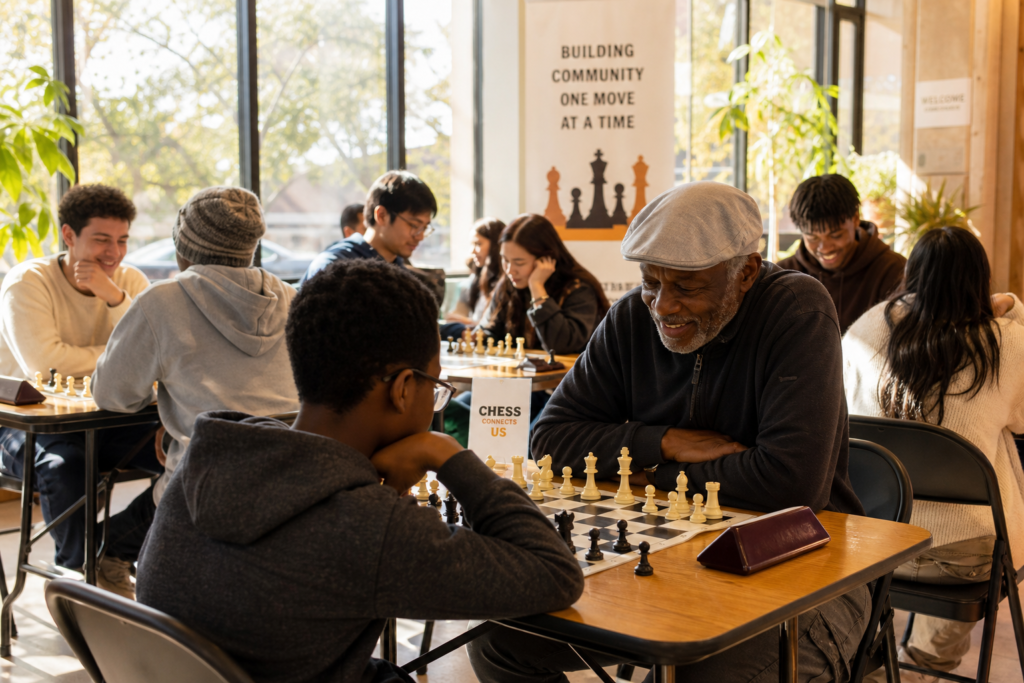
What do chess and mental health have in common? More than you might think. A growing movement within professional sports is using the ancient game of strategy as a surprising but powerful tool to open conversations about emotional well-being, reduce stigma, and bring athletes and communities together around a cause that affects millions of people every year. One MLB player is leading the charge, and the story behind the initiative is as compelling as the game itself.
Athletes and Mental Health: A Conversation Long Overdue
For decades, professional athletes were expected to project an image of invincibility. Admitting to anxiety, depression, or emotional struggles was seen as weakness — a liability in a world built on physical dominance and competitive resilience. But that culture is shifting, and it’s shifting fast.
In recent years, high-profile athletes across virtually every sport have stepped forward to speak openly about their mental health journeys. From Olympic swimmers to NBA stars to baseball players, the message is becoming clearer: mental health is health, full stop. And when someone with a public platform chooses to act on that belief — not just talk about it — the impact can ripple far beyond the stadium.
That’s exactly what makes an event like a charity chess tournament for mental health awareness so noteworthy. It’s not a press release or a hashtag. It’s a tangible, community-driven effort to normalize the conversation in a fun and accessible way.
Why Chess? The Unexpected Link to Emotional Wellness
At first glance, chess and mental health awareness might seem like an odd pairing. But look a little closer, and the connection becomes remarkably intuitive.
- Chess promotes mindfulness: The game demands present-moment focus, forcing players to slow down and engage deeply with what’s in front of them — a practice closely aligned with mindfulness-based mental health therapies.
- It builds emotional regulation: Learning to manage frustration, think through setbacks, and avoid impulsive decisions on the board mirrors many of the coping skills taught in cognitive behavioral therapy.
- Chess is inclusive: Unlike many sports, chess requires no particular physical ability, body type, or athletic background. It welcomes everyone to the table, quite literally.
- Community and connection: Tournament settings foster social interaction, and social connection is one of the most well-documented protective factors against depression and anxiety.
Using chess as a vehicle for mental health advocacy is a creative and genuinely effective way to engage people who might otherwise tune out a more traditional awareness campaign.
The Role of Professional Athletes in Reducing Mental Health Stigma
When an everyday person speaks up about their mental health struggles, it matters. When a professional athlete does it — someone society has placed on a pedestal of strength and success — the impact is multiplied significantly. Research consistently shows that representation and visibility from trusted public figures can meaningfully shift public attitudes around stigma.
Athletes who organize or participate in mental health initiatives send a powerful dual message: that they are human beings with emotional needs just like everyone else, and that seeking help or simply talking about mental health is not only acceptable but admirable. For younger fans especially, seeing a role model champion mental wellness can be genuinely life-changing.
MLB, like many major sports leagues, has been expanding its mental health resources and support infrastructure for players in recent years. Events driven by individual players who are passionate about the cause add a grassroots energy that top-down institutional programs sometimes lack. The personal investment of an athlete who organizes something like a chess tournament out of genuine conviction carries authenticity that resonates deeply with fans and communities.
Mental Health by the Numbers: Why Awareness Still Matters
Despite meaningful progress in recent years, mental health stigma remains a significant barrier to people seeking care. Consider some of the broader context:
- Roughly one in five adults in the United States experiences a mental health condition in any given year, according to public health data.
- Among young people, rates of anxiety and depression have been rising steadily, a trend that accelerated during and after the COVID-19 pandemic.
- A substantial percentage of people who experience mental health challenges never seek professional help — and stigma is one of the most commonly cited reasons why.
- Community-based awareness efforts, particularly those that normalize discussion in everyday social settings, have been shown to meaningfully reduce stigma over time.
Events that bring people together under a banner of openness and acceptance — whether it’s a chess tournament, a walk, a fundraiser, or a community panel — contribute to that slow but essential cultural shift. Every conversation started is a barrier lowered.
How You Can Get Involved in Mental Health Advocacy
You don’t have to be a professional athlete or organize a large-scale event to make a difference in the mental health conversation. There are accessible ways for anyone to contribute:
- Educate yourself on common mental health conditions and the resources available in your area.
- Check in on friends and family members regularly — sometimes a genuine, unhurried conversation is the most powerful tool available.
- Support organizations that provide mental health services, advocacy, or research, particularly those focused on underserved communities.
- Speak openly and without judgment when mental health topics arise, helping to model the kind of culture where people feel safe asking for help.
- Participate in or organize community events — even small ones — that bring awareness and connection to the forefront.
A Final Thought: Small Actions, Big Shifts
A chess tournament might seem like a modest gesture against a challenge as vast and complex as mental health stigma. But that’s exactly the point. Change doesn’t always arrive in sweeping, dramatic moments. More often, it comes through consistent, creative, community-level actions taken by people who care enough to show up.
When athletes step outside their expected roles to champion something as important as mental well-being, they remind us that advocacy can take many forms. A king and queen on a chessboard, a room full of people talking and laughing and competing — that’s not a small thing. That’s how cultures start to change.
Mental health awareness belongs everywhere: in clinics, in classrooms, in policy debates, and yes — on the chess board too.